Security when using online whiteboards
For business
Whiteboard
2 min read
April 19, 2025
In the digital age, online whiteboards have become an integral part of collaboration, learning and creative work. They help teams and study groups interact effectively, share ideas and organize information in real time. However, as these tools are used more and more, data needs to be kept secure and protected from potential threats.
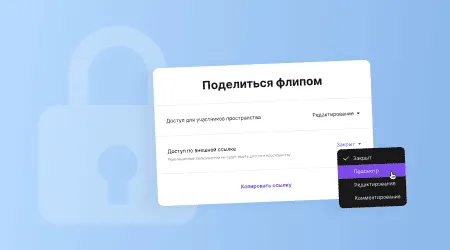
Why security matters when working with online whiteboards
Interactive whiteboards, especially online ones, are platforms for sharing confidential information, including business strategies, study materials and participants' personal data. Failing to follow security measures can lead to information leaks, unauthorized access and other serious consequences.
Key security risks and threats
Unauthorized access
Outsiders may gain access to a board if the appropriate access levels and authentication are not set up. This can lead to important data being changed or deleted, or to unwanted content being posted.Data leaks
Without protection, data posted on a board can be intercepted or misused. A lack of encryption and weak security measures leave information vulnerable to attacks.Malware
Integrating with untrusted sources or using insecure plugins can infect the system. This can cause the board to malfunction, lead to data loss and compromise the system.User errors
A lack of training can lead to important data being accidentally deleted or changed. Users without proper training may configure the board incorrectly, which causes security issues.
Ways to protect data in virtual whiteboards
Access rights
Defining user roles and permissions helps restrict access to sensitive information. Only authorized users should be able to edit or view certain data.Data encryption
Encryption protocols keep information secure both in transit and in storage. They make data unreadable to outsiders and protect it from interception.Regular updates
Updating software and plugins fixes known vulnerabilities. Vendors often release updates aimed at improving security and functionality.User training
Training on how to use boards securely reduces the risks associated with human error. Users who are aware of potential threats are more careful when working with a board.Backups
Regular backups prevent data loss in case of failures. They make it possible to restore information after unforeseen events.
Security policies and recommendations for users
Create a security policy
Developing documents that govern how online whiteboards are used helps set standards and expectations. Such policies define the rules for accessing, using and protecting data.Multi-factor authentication (MFA)
MFA adds an extra layer of protection when logging in. Even if a password is compromised, the additional authentication factor makes unauthorized access harder.Limit integrations
Using only verified and necessary integrations reduces risks. Unauthorized or untrusted integrations can become attack vectors.Monitor activity
Tracking user actions helps detect suspicious activity. Unusual actions may indicate attempts at unauthorized access or other threats.Incident response
Having an action plan for security breaches minimizes the consequences. A quick response helps limit the damage and restore normal system operation.
Keeping online whiteboards secure is critical for protecting data and maintaining trust between users. A comprehensive approach that combines technical measures, user training and clear security policies will help minimize risks and make working with online whiteboards effective and secure.
Authors

flip
Team